
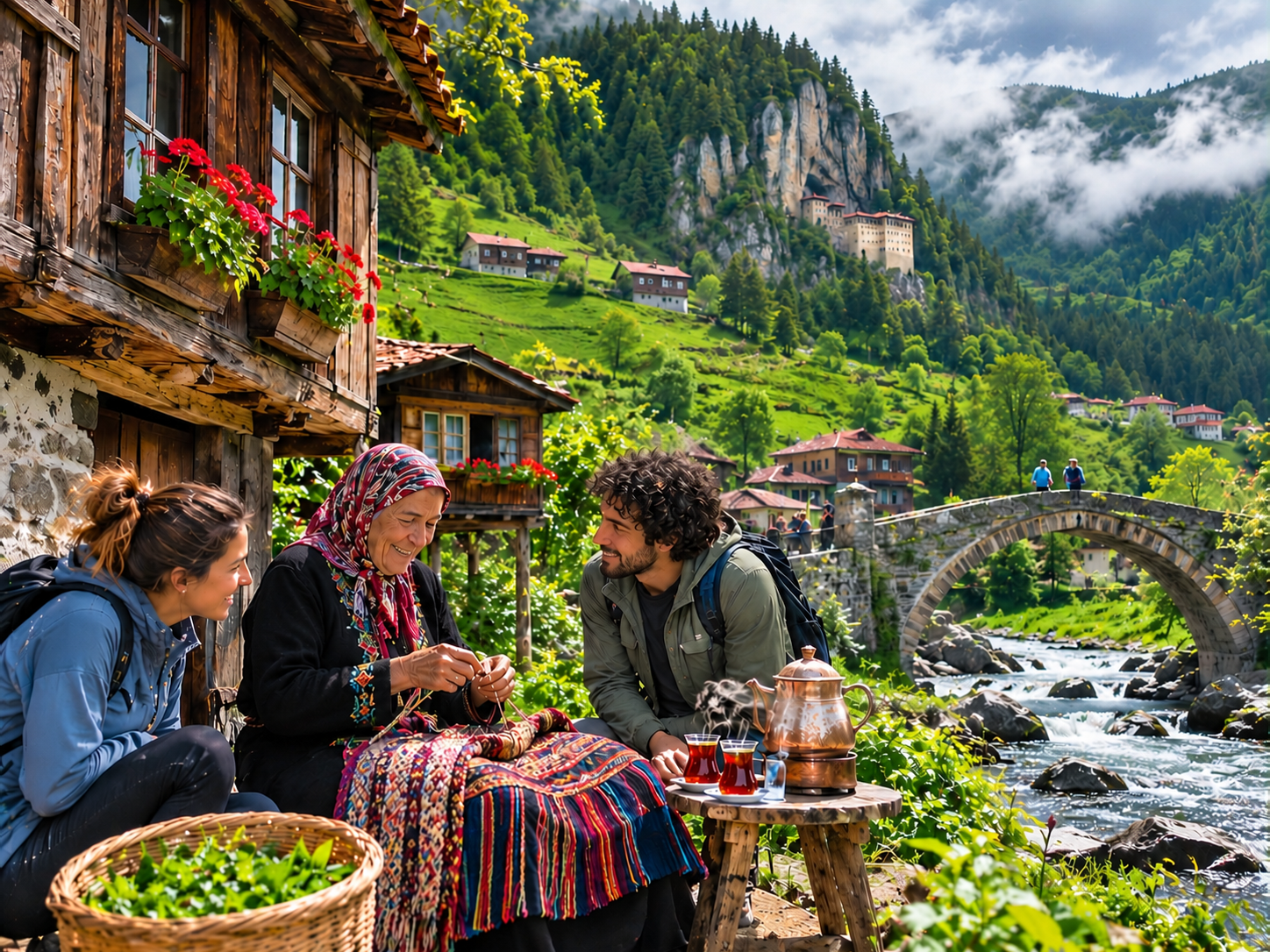
Eastern Black Sea Discovery Project
Discovering New Places. Creating New Connections.
Bosph Project Management is developing a discovery project aimed at introducing Türkiye’s Eastern Black Sea Region to new international audiences, starting with the United Kingdom.
The project aims to create new opportunities for people who wish to explore distinctive natural landscapes, cultural heritage and local communities beyond well-known holiday destinations.
Carried out in collaboration with a professional local tourism partner in Türkiye, this initiative brings together international project development, regional promotion, local expertise and coordinated discovery experiences.
EASTERN BLACK SEA
A Region Beyond the Familiar
The Eastern Black Sea is one of the most distinctive regions not only in Türkiye but also in the world, both geographically and culturally. It is a hidden paradise worth discovering.
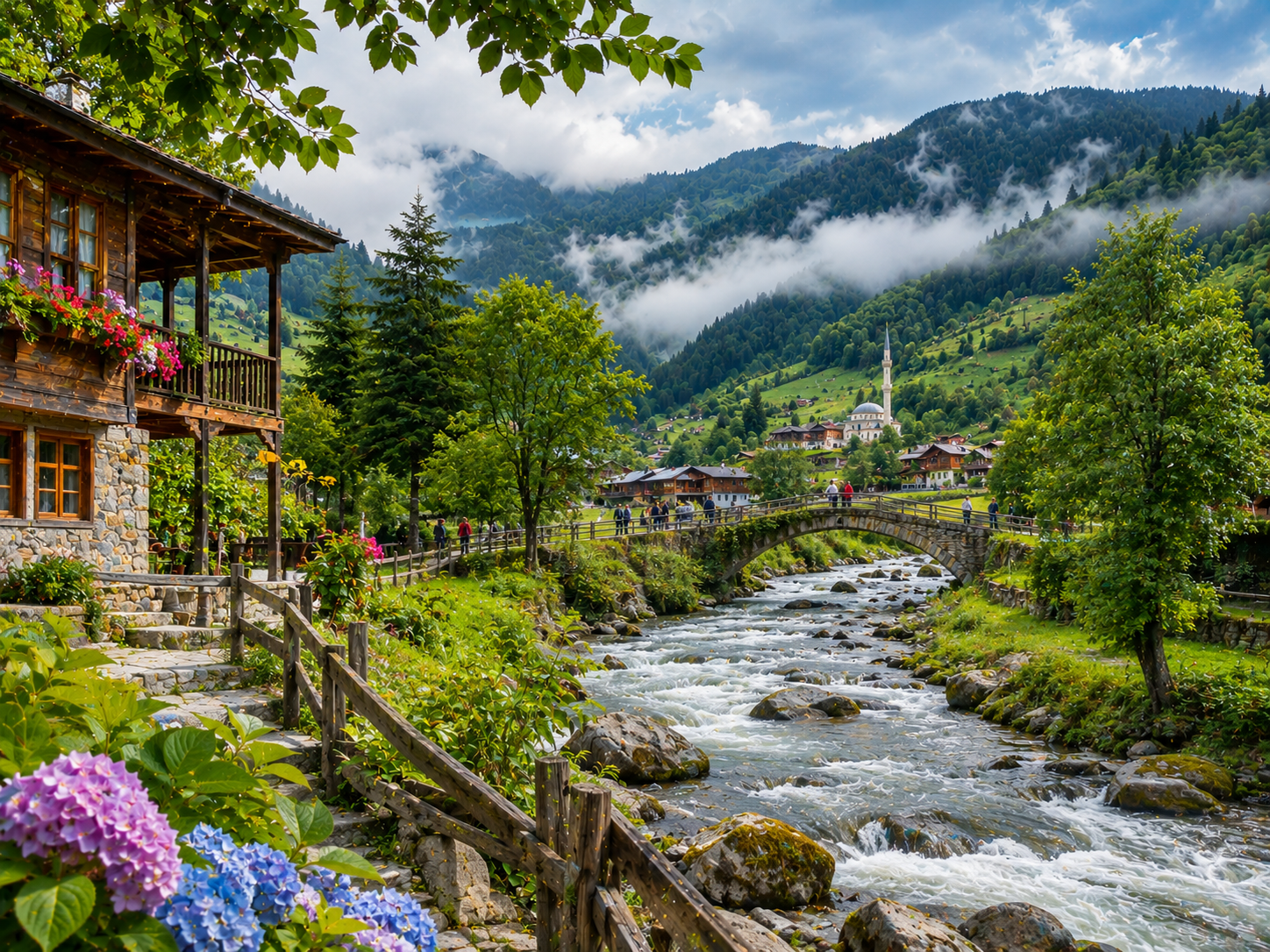
From the mountains and highlands of Rize and Artvin to the lakes, valleys and traditional settlements of Trabzon, the region offers an environment shaped by nature, local traditions and cultural diversity.
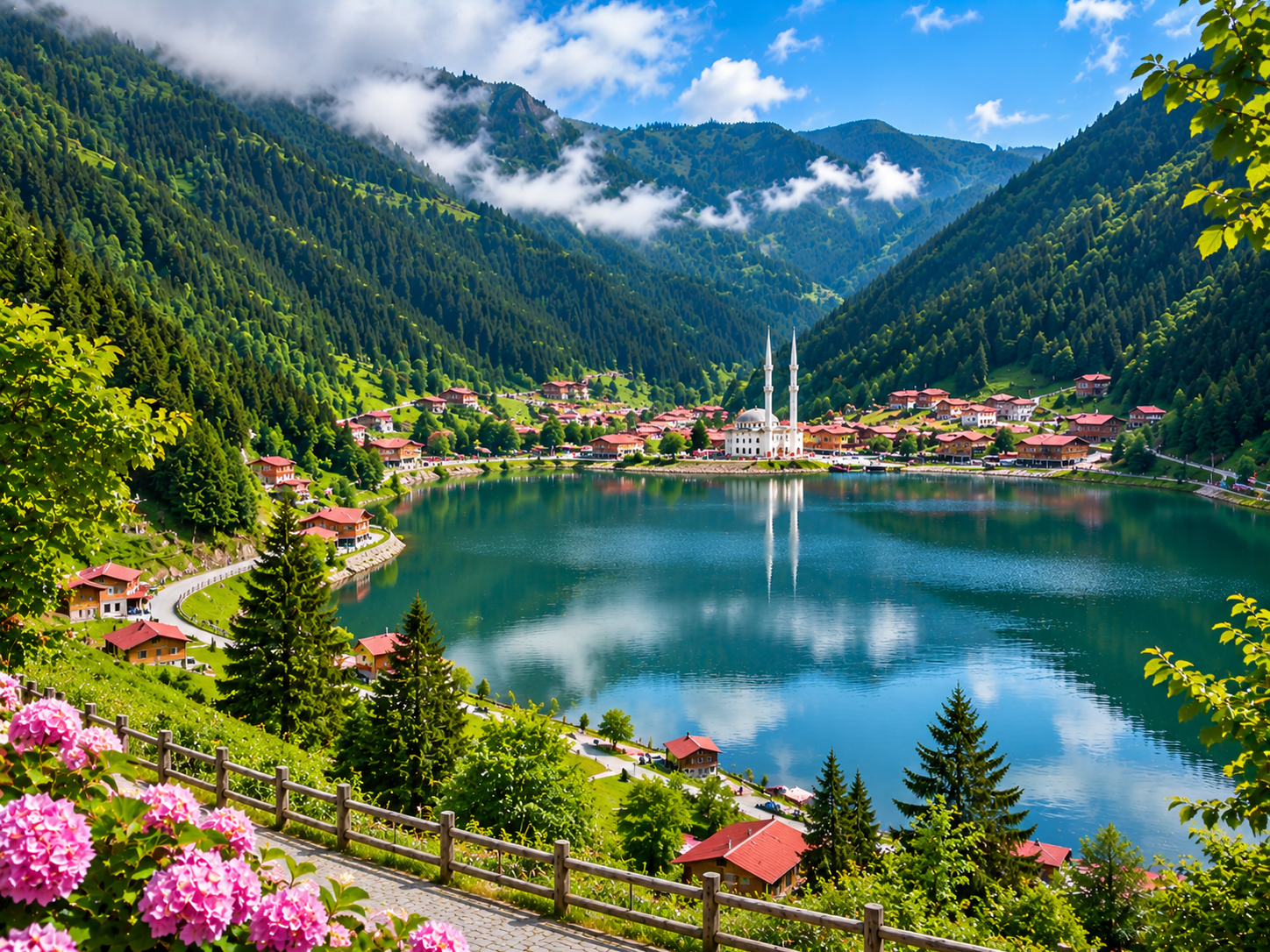
Our project focuses on promoting selected destinations, including Trabzon, Rize, Artvin, Uzungöl, Ayder, Çamlıhemşin and Arhavi, as well as Batumi in neighbouring Georgia.
Rather than presenting these places as separate tourist attractions, our aim is to introduce the region as a whole, through its natural landscapes, communities, cultural identity and meaningful opportunities for discovery.
PROJECT OBJECTIVE
Many international travellers are familiar with Türkiye’s well-known coastal holiday destinations. The Eastern Black Sea, however, offers a different experience centred on discovery, nature and regional culture.
Our aim is to increase international awareness of the region and generate new interest among individuals and groups seeking alternatives to traditional holiday experiences.
Starting with the United Kingdom market, the project aims to connect potential visitors with opportunities to discover the Eastern Black Sea through professionally coordinated local arrangements.
Our long-term objective is to contribute to the region’s international visibility and create new connections between visitors and local communities.
OUR APPROACH
Our approach brings together two complementary areas of expertise:
International Project Development
Introducing the region to new audiences, developing communication opportunities, establishing connections with interested individuals and groups, and coordinating project enquiries.
Professional Local Coordination
Supporting the practical organisation of regional visits through our strong local connections. Depending on participants’ needs, this may include local transportation, accommodation arrangements, regional guidance and coordinated activities. This collaborative structure enables international project development and local operational expertise to come together within a clearly defined working model.
WHO IS THE PROJECT FOR?
Open to Individuals and Groups
The Eastern Black Sea Discovery Project has been developed for people who wish to experience different cultures and geographical beauties, including one of the world’s significant cultures.
The project welcomes enquiries from individuals, families, groups of friends, organised groups and communities interested in exploring the region’s natural and cultural environment.
Participation opportunities can be considered according to the interests, expectations and practical requirements of each individual or group.
Our priority is to create meaningful connections between international visitors and a region they may not previously have considered exploring.
REGIONAL DISCOVERY
Nature Culture Local Life.
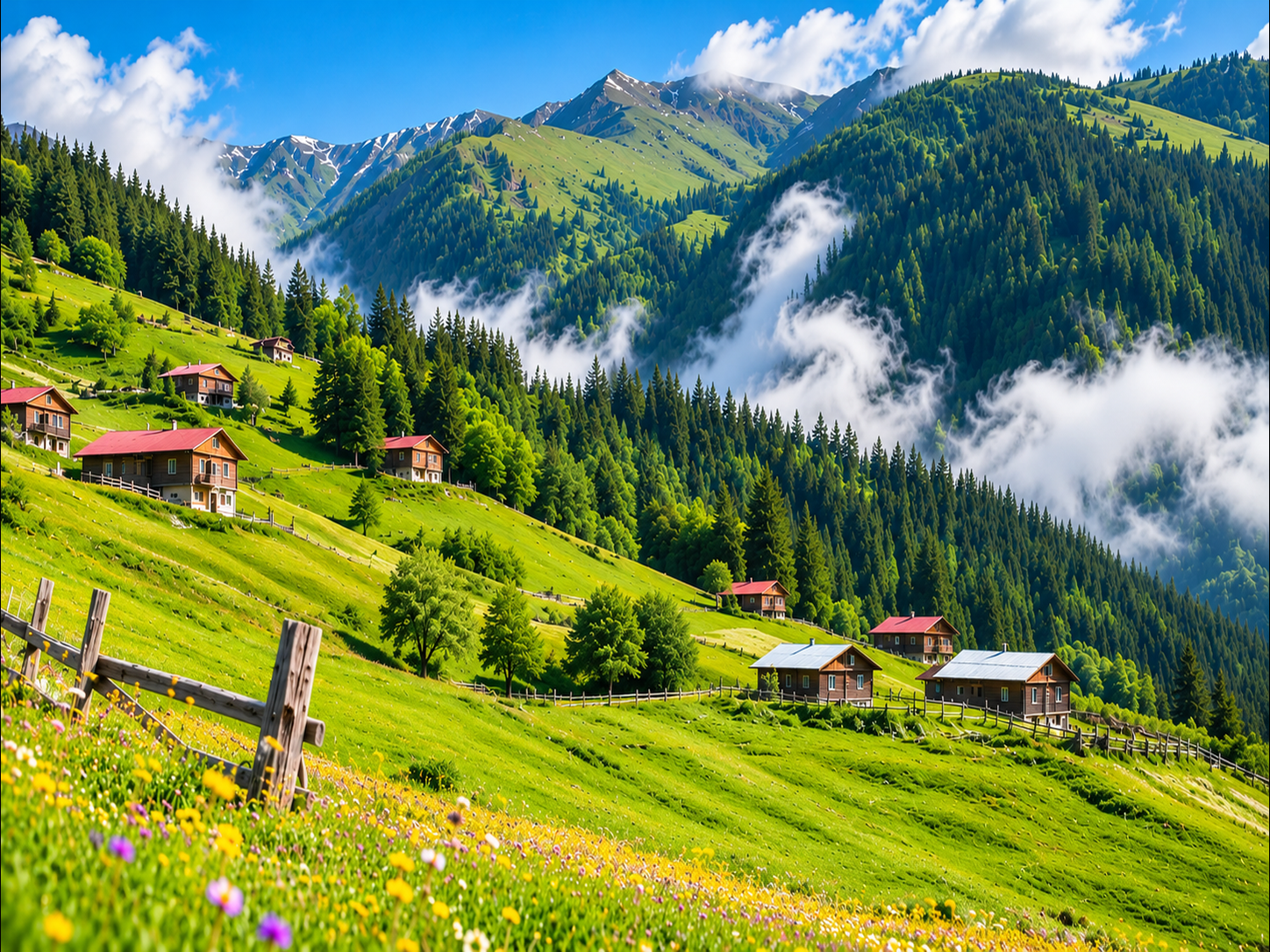
The Eastern Black Sea offers opportunities to experience mountain landscapes, highland settlements, lakes, forests, traditional villages and local cultural environments. Depending on individual interests and local conditions, regional discovery activities may include:
* Mountain and highland landscapes
* Lakes, valleys and natural areas
* Traditional villages and local communities
* Regional cuisine and cultural traditions
* Historical and cultural sites
* Cross-border discovery opportunities involving neighbouring Georgia
Each potential programme is evaluated in collaboration with our local tourism partner, taking into account the relevant destinations, seasonal conditions and practical requirements.
PROJECT COLLABORATION
Connecting International Interest with Local Opportunities
At Bosph Project Management, we believe that introducing a destination to new audiences involves more than simply showcasing impressive places.
This process requires communication, local knowledge, reliable partnerships and an organised approach that connects emerging interest with real opportunities.
Through this project, we aim to establish a practical connection between international audiences and the Eastern Black Sea, while also working with local professionals who understand the region and its operational requirements.
Our role is to develop and coordinate this connection as part of our broader international project management activit
EASTERN BLACK SEA
Where Nature, History and Culture Meet
The Eastern Black Sea is much more than a destination of extraordinary natural beauty. It is a region where centuries of history, diverse cultural traditions and the everyday lives of local people come together.
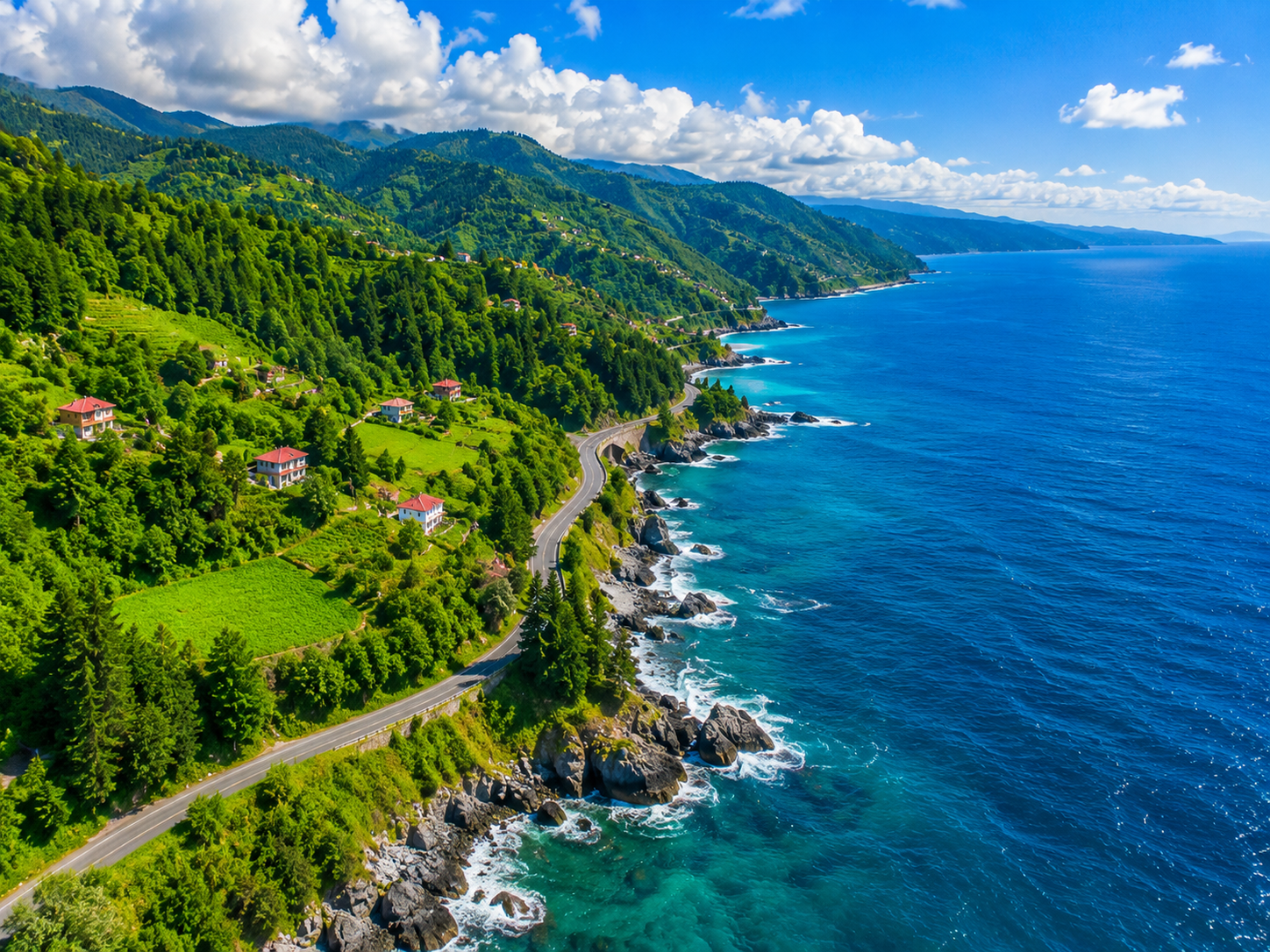
Stretching along Türkiye’s northeastern coastline, the region offers a striking contrast between the deep blue waters of the Black Sea and the lush green mountains rising immediately behind the coast.
From historic Trabzon to the tea-growing hills of Rize and the mountainous landscapes of Artvin, every corner of the region tells a different story.
Through the Eastern Black Sea Discovery Project, Bosph Project Management aims to introduce these stories to international audiences, encouraging visitors to discover not only the region’s natural beauty but also the history, people and traditions that make it special.
A JOURNEY THROUGH HISTORY
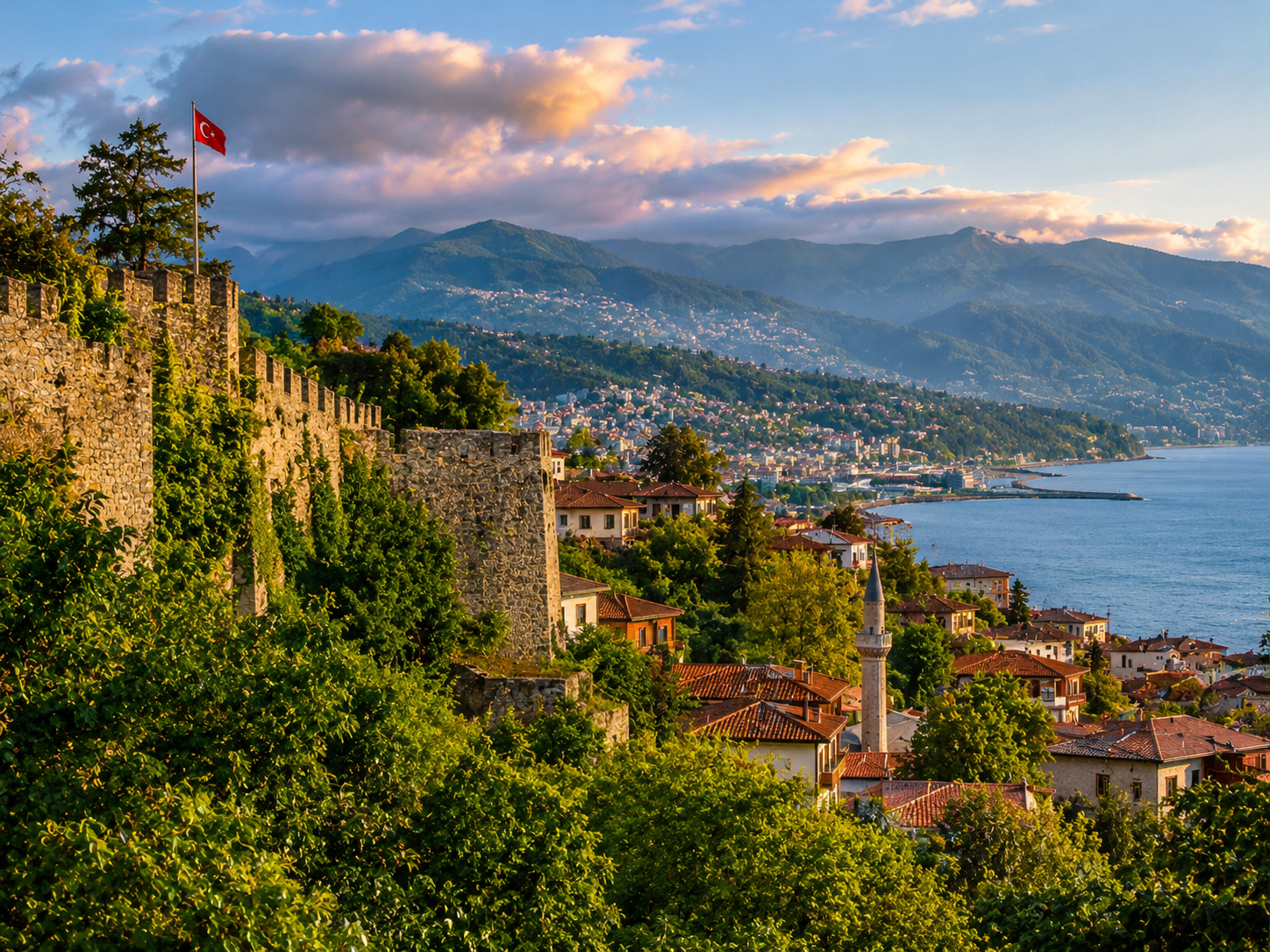
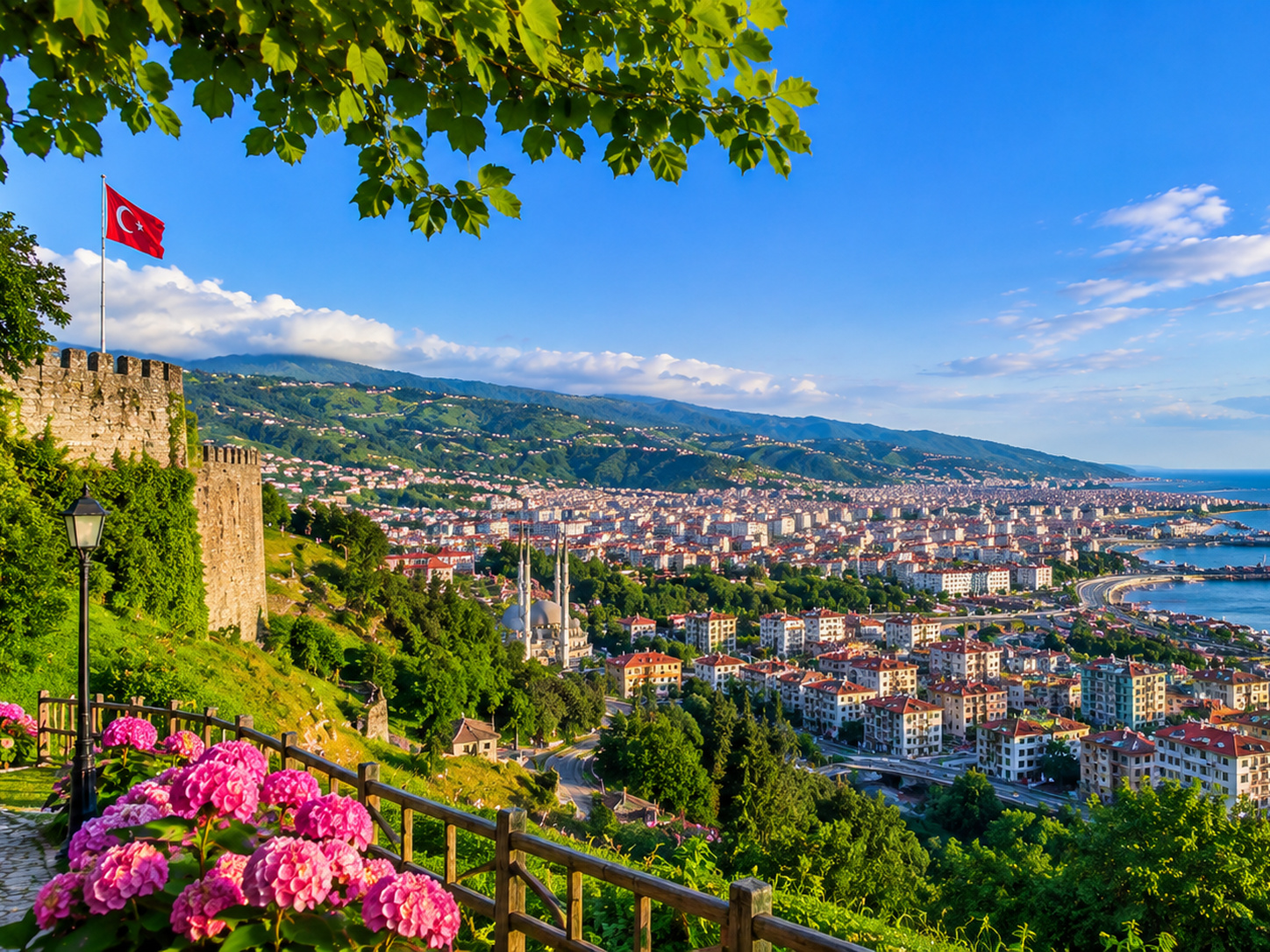
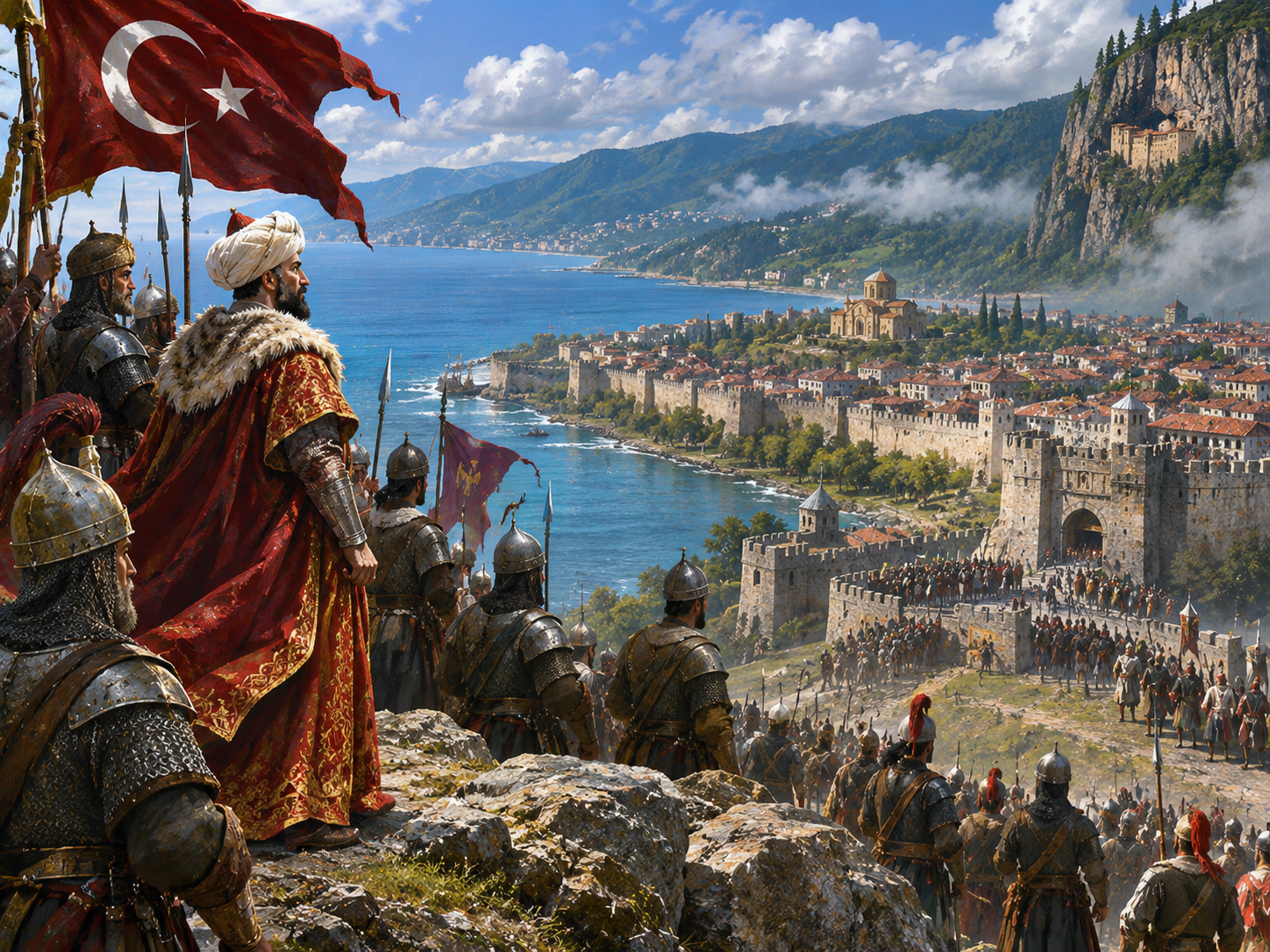
For centuries, Trabzon has been an important centre of trade, culture and civilisation thanks to its strategic position on the Black Sea and its historical connections with Anatolia, the Caucasus and different parts of the world. Known as Trapezus in antiquity, the city became part of the Roman and later the Byzantine world. Greek-speaking communities and Byzantine cultural heritage played an important role in shaping the region’s historical identity. In 1204, Trabzon became the capital of the Empire of Trebizond, ruled by the Komnenos dynasty. For more than two and a half centuries, the city remained an important political, commercial and cultural centre. In 1461, Sultan Mehmed II, known as Mehmed the Conqueror, conquered Trabzon and incorporated it into the Ottoman Empire. The Ottoman period added new layers of architecture, administration, trade and cultural life to the city’s existing historical richness. Today, Trabzon’s historic buildings, neighbourhoods and monuments bear traces of these different periods, offering visitors the opportunity to explore the region’s long and multifaceted history.
Highlands, Valleys and Natural Landmarks
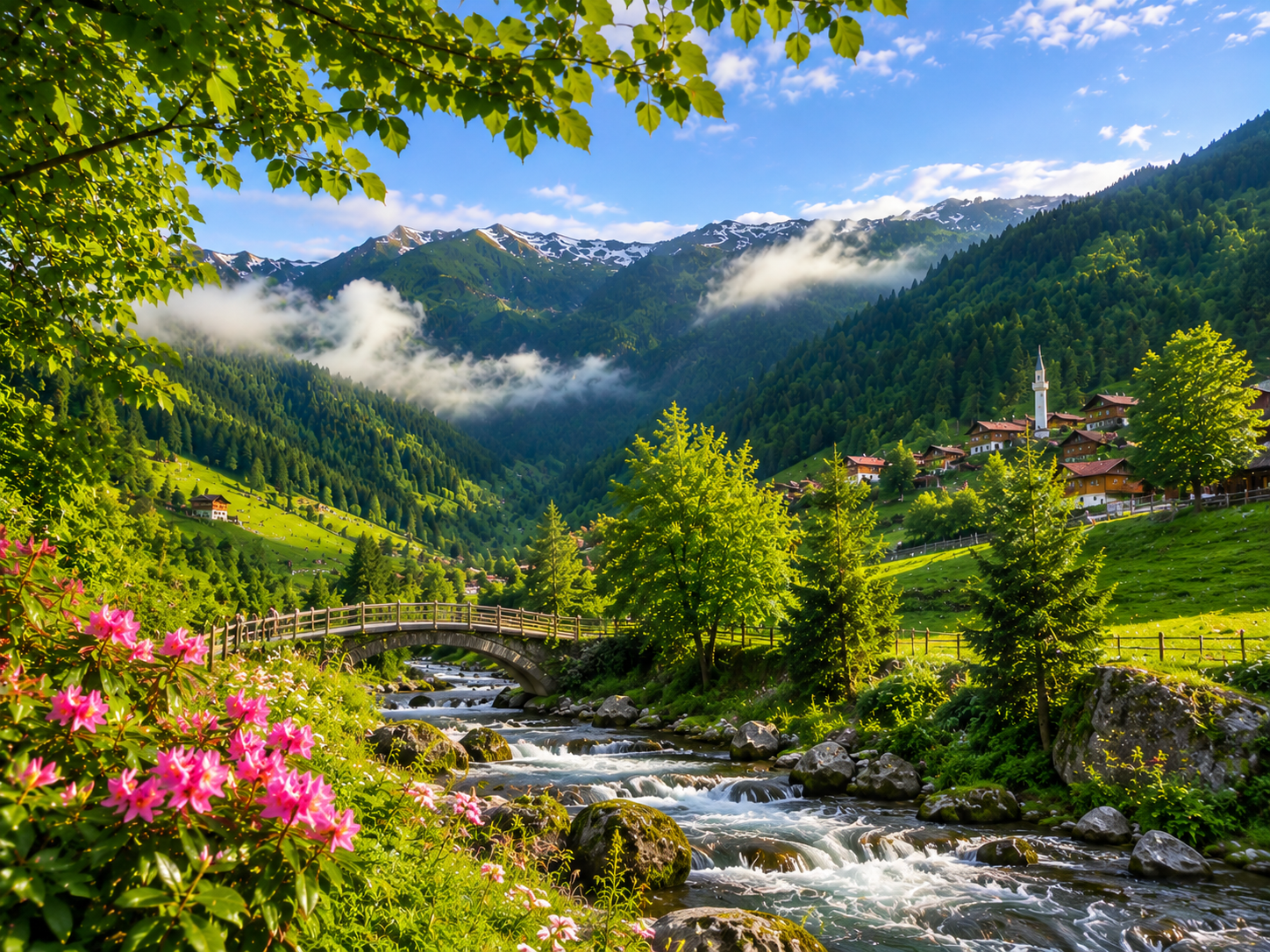
The Eastern Black Sea region encompasses the diverse natural and cultural landscapes of Trabzon, Rize and Artvin. From spectacular mountain highlands and lush green valleys to scenic lakes, waterfalls, historic landmarks and traditional villages, the region offers visitors a rich variety of places to explore and experiences to enjoy.
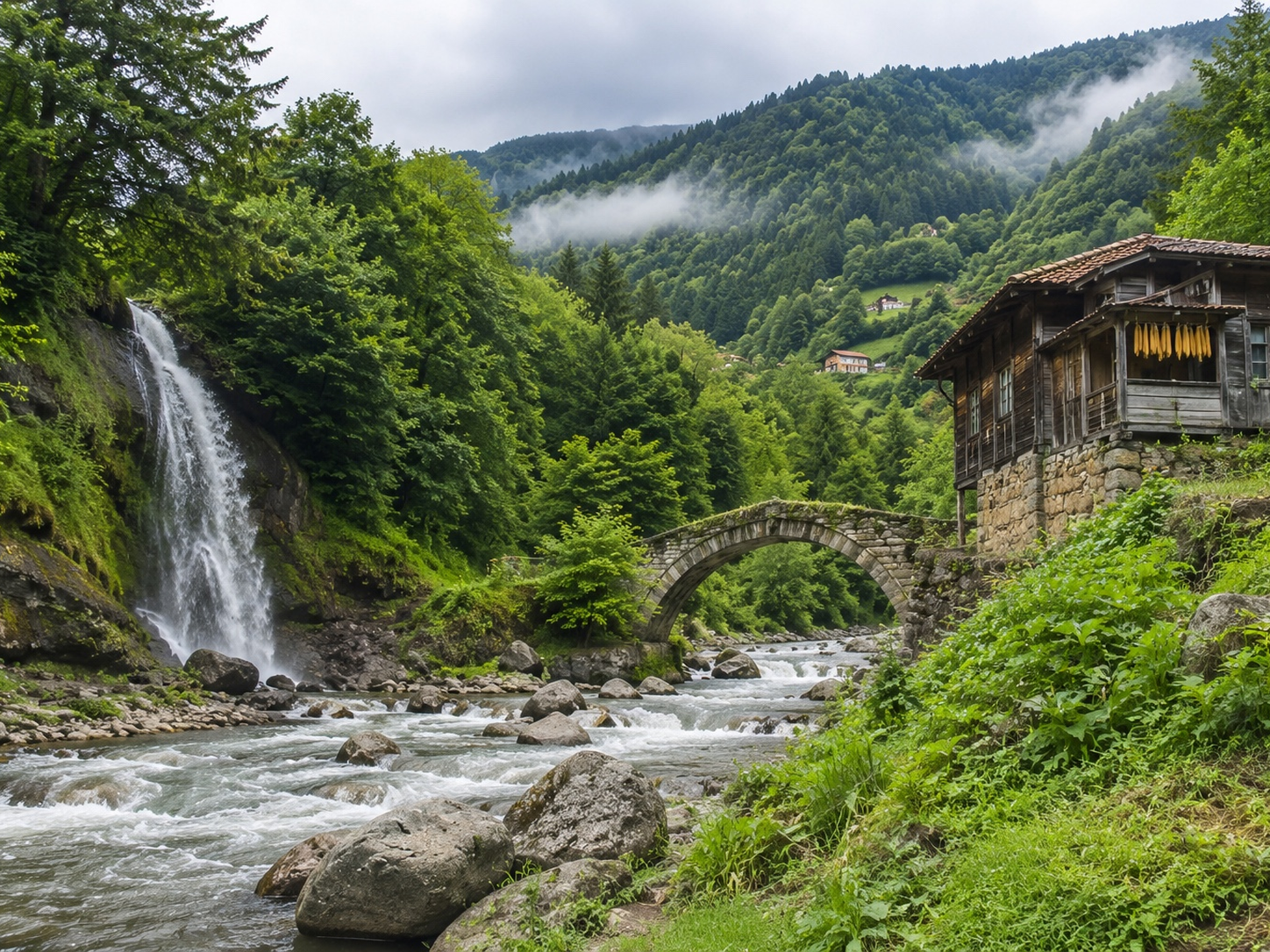
Districts such as Çaykara, Maçka, Çayeli Çamlıhemşin, İkizdere, Borçka and Şavşat are home to some of the region’s most remarkable natural landscapes and cultural attractions. Each offers its own distinctive scenery, traditional architecture, local customs and regional cuisine.Surrounded by dense forests, flowing rivers and impressive mountain ranges, these destinations provide opportunities to experience nature, explore traditional settlements and discover the authentic character of the Eastern Black Sea. From coastal towns and tea plantations to remote mountain villages and traditional wooden highland houses, the region offers a unique combination of natural beauty, cultural heritage and local life.
Sümela Monastery
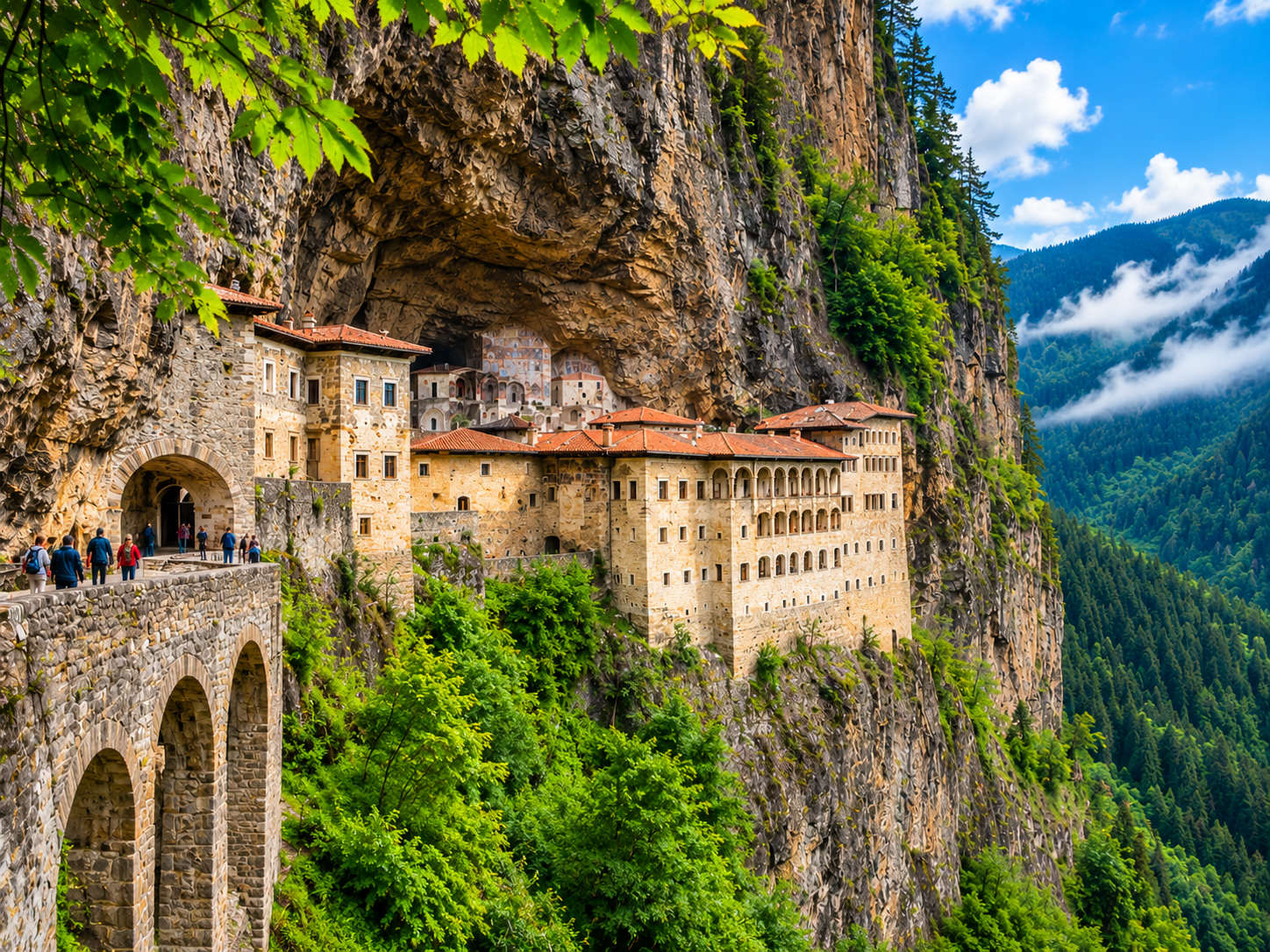
Situated on the side of a steep cliff in the forest-covered mountains of Maçka, Sümela Monastery is one of the most recognisable historical landmarks of the Eastern Black Sea.
Dedicated to the Virgin Mary, the monastery developed over centuries and became an important religious and cultural centre during the Byzantine and Ottoman periods.
With its rock church, frescoes and impressive mountain scenery, it brings together architectural history and natural beauty.
The monastery is also an important representation of the region’s Greek Orthodox heritage and the cultural connections it established throughout history.
THE EASTERN BLACK SEA AND THE NATIONAL STRUGGLE
A Region Shaped by Modern History
The Eastern Black Sea also played an important role during the final years of the Ottoman Empire and Türkiye’s National Struggle.
During the First World War, Trabzon remained under Russian occupation between 1916 and 1918, a period that deeply affected the city and its surrounding communities. Following the war, Trabzon and other Black Sea communities took part in political organisation and resistance movements during the struggle for national independence.
The region’s experiences during these years form an important chapter in the history leading to the establishment of the Republic of Türkiye in 1923. Exploring this historical period offers visitors an opportunity to gain a broader understanding of the region’s changing social structure, the challenges it faced in the past and its place in the development of modern Türkiye.
LOCAL PEOPLE AND CULTURAL HERITAGE
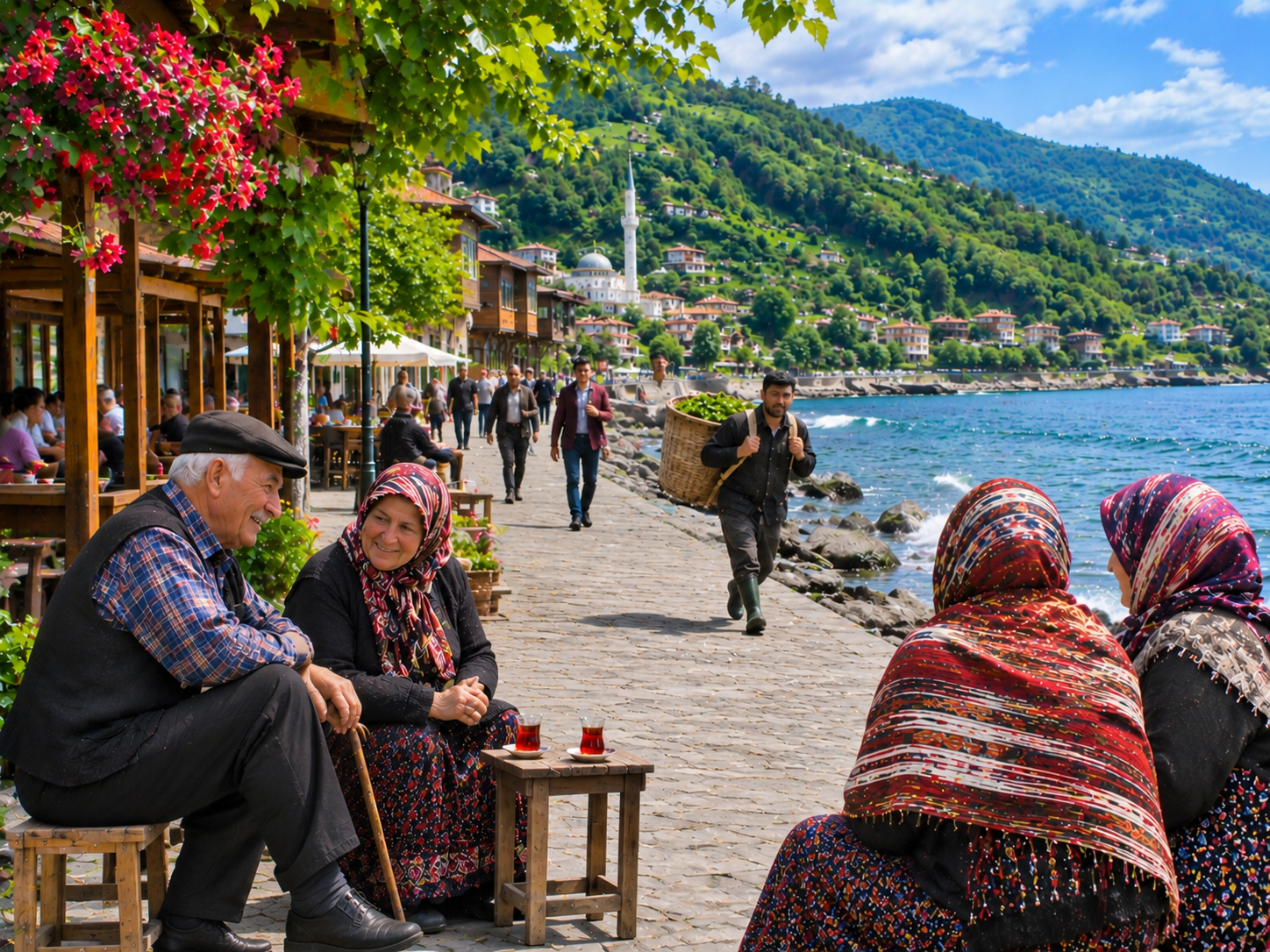
The identity of the Eastern Black Sea has been shaped not only by its mountains, valleys and coastline but also by the people who have lived on these lands for generations. Turks, Greek-speaking communities, Laz people, Georgians, Armenians and other communities have contributed to the region’s historical and cultural development during different periods. Traces of these connections can still be discovered today through local traditions, architecture, cuisine, music, family histories and regional identities.
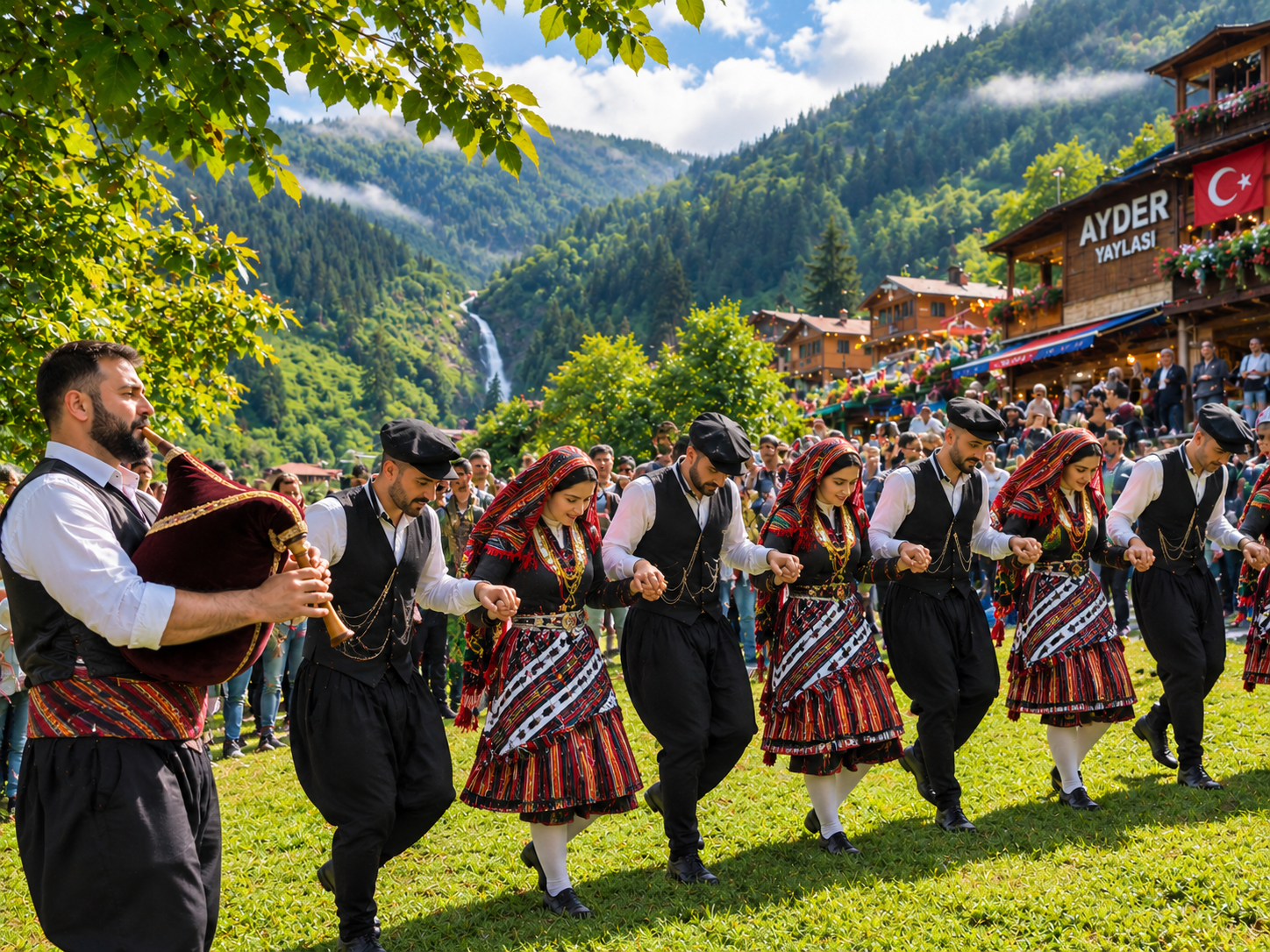
The region is particularly known for its strong community traditions, hospitality, local handicrafts and distinctive music and dance culture. Traditional musical instruments such as the kemençe and folk dances such as the horon continue to be important expressions of regional culture. For visitors, discovering the Eastern Black Sea means having the opportunity to experience everyday local life alongside its well-known natural and historical landmarks.
WHERE GREEN MEETS BLUE
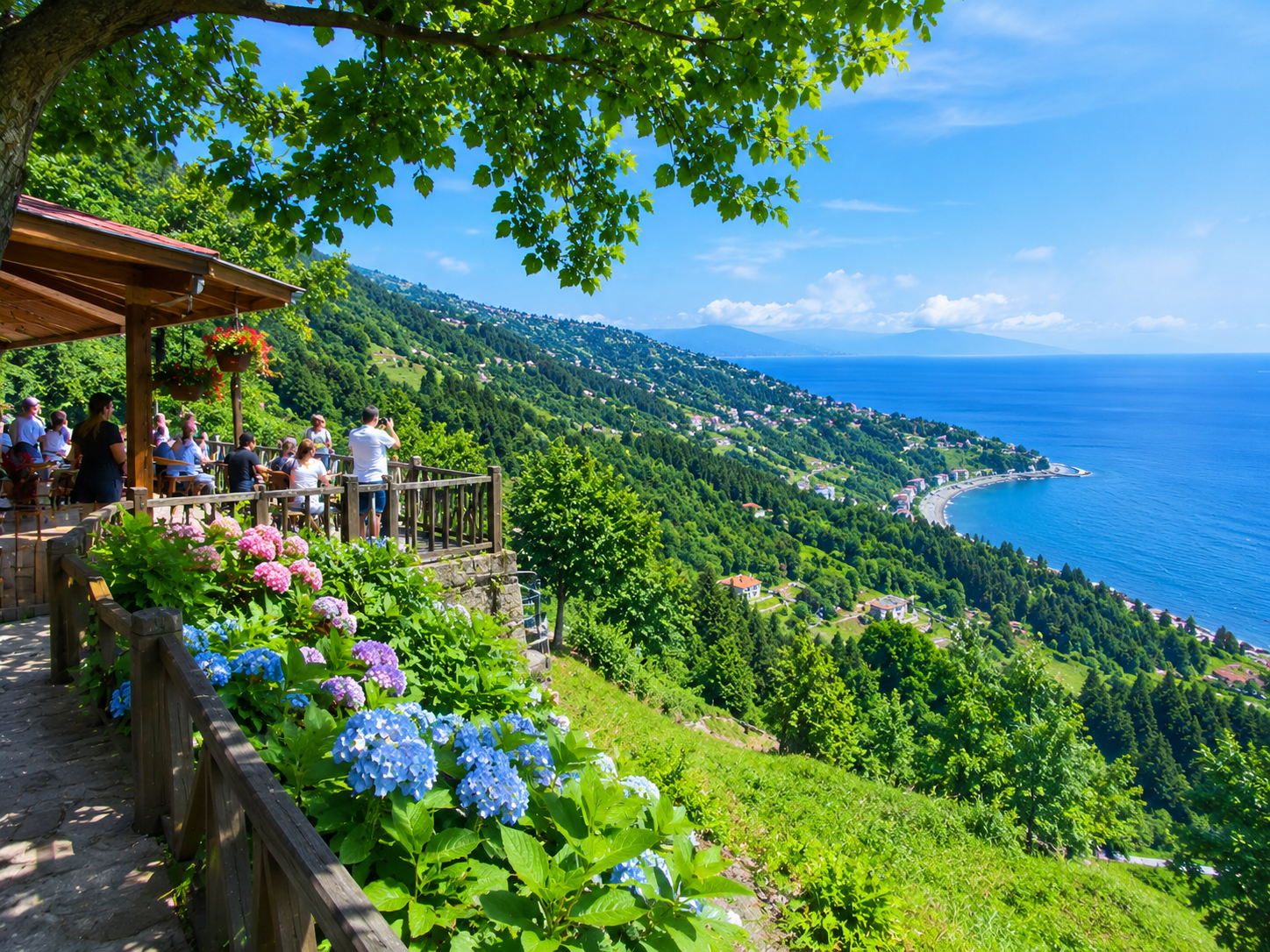
One of the most striking characteristics of the Eastern Black Sea is the meeting of its lush green landscapes with the deep blue waters of the Black Sea. In many places, forest-covered mountains rise steeply from the coastline, while rivers and valleys extend towards highland villages and mountainous areas.
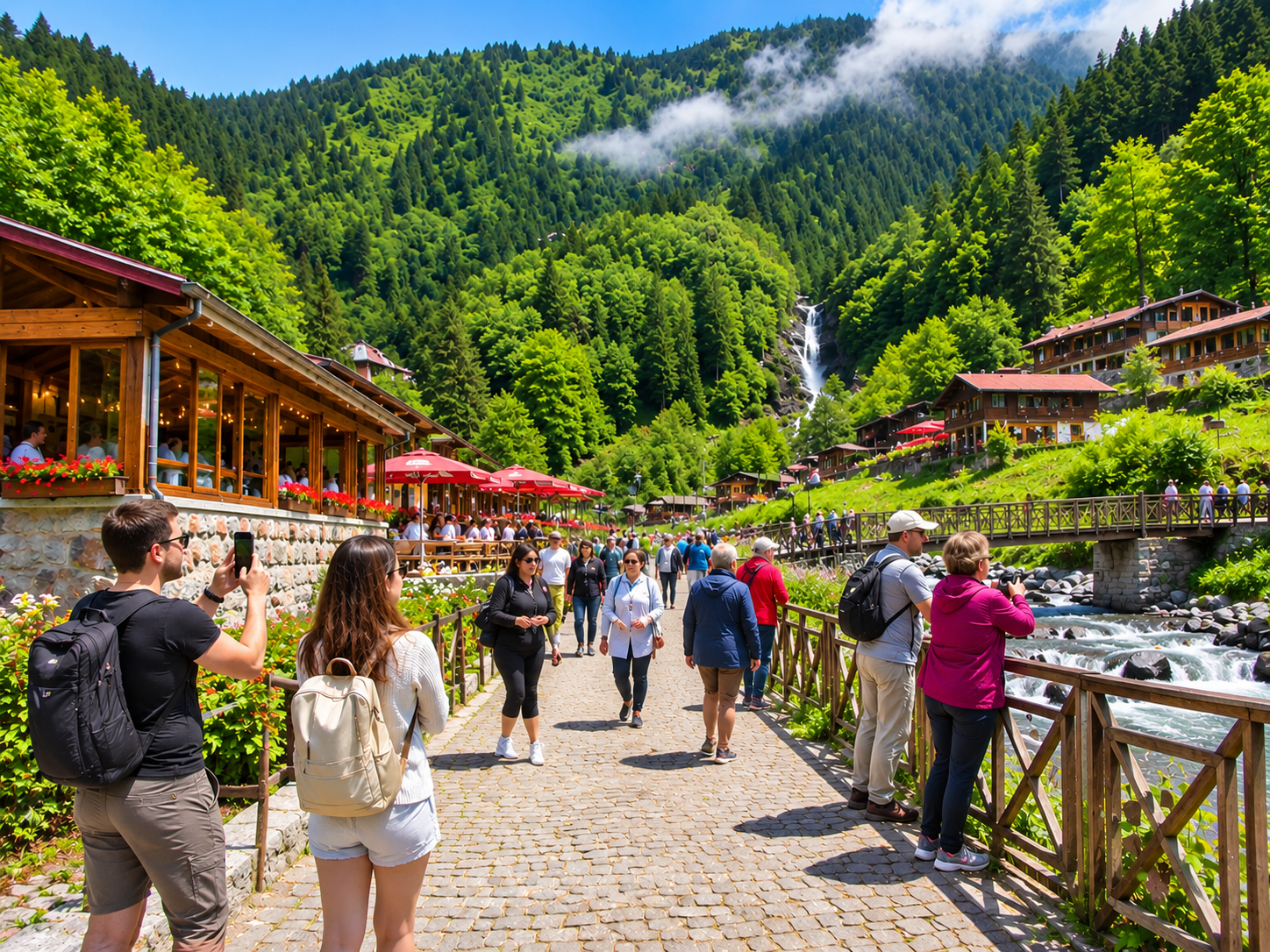
The region’s humid climate and abundant rainfall support its rich vegetation, creating natural landscapes that change with the seasons. Uzungöl, Ayder, Çamlıhemşin and the surrounding Kaçkar Mountains are among the important areas where lakes, waterfalls, forests, rivers and highlands can be explored. This close relationship between the sea, mountains and local settlements gives the Eastern Black Sea its distinctive geographical identity. For international visitors who know Türkiye mainly through its Mediterranean and Aegean coastal holiday destinations, the region offers an opportunity to see the country’s natural environment from an entirely different perspective.
THE WORLD OF TEA
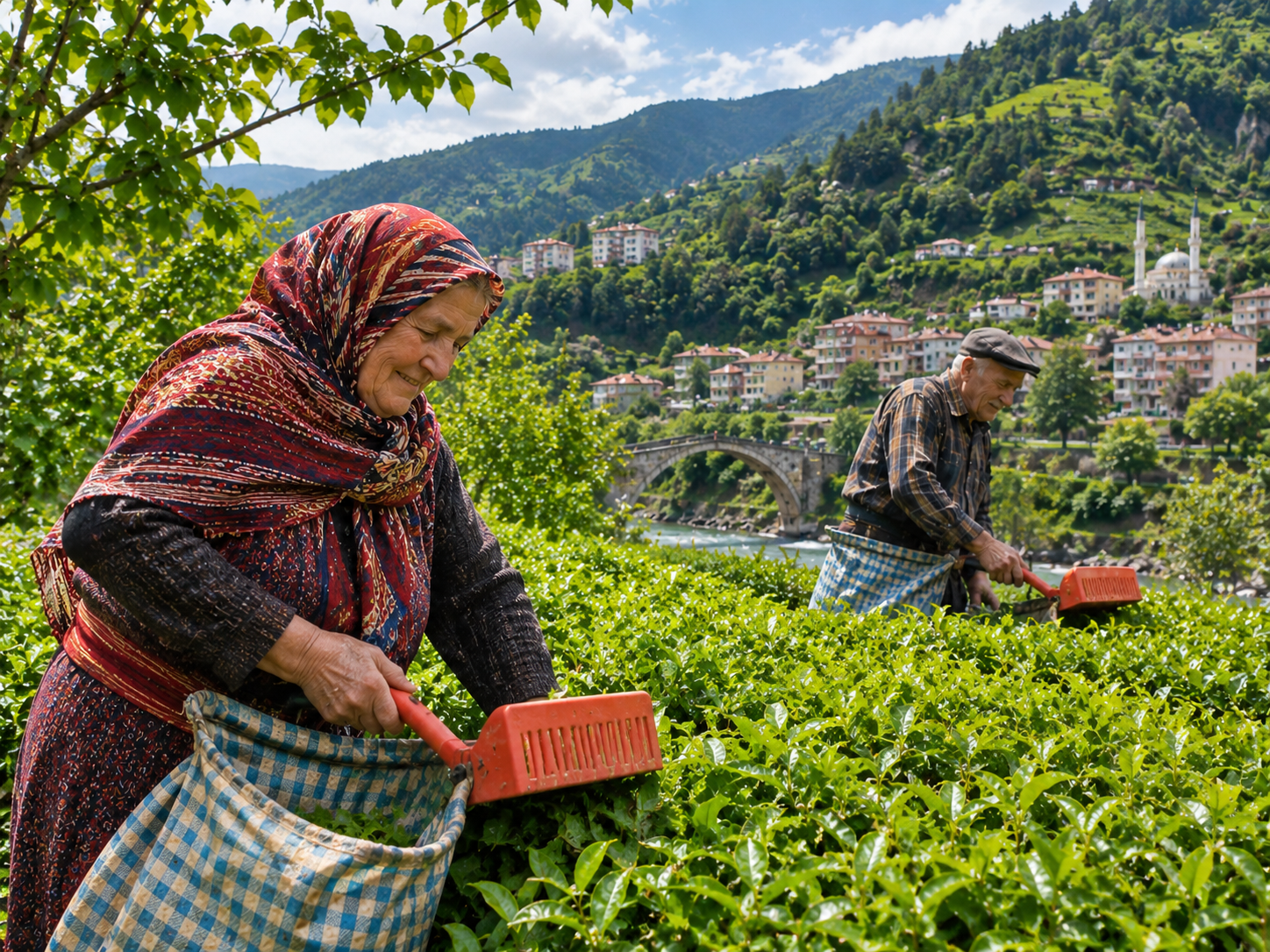
Tea is one of the defining elements of life in the Eastern Black Sea, particularly in Rize and its surrounding districts. The green tea plantations covering the region’s hillsides are not merely an agricultural landscape. They are also an important part of the local economy, family life and cultural identity. The country’s strong tea-drinking tradition has also made tea an essential part of hospitality and everyday social life. One of the important elements of our discovery project is to provide an opportunity to understand tea production in its natural environment. Depending on seasonal conditions and local arrangements, visitors may have the opportunity to see tea plantations first-hand, learn about harvesting practices and discover the stages through which freshly picked leaves are transformed into the tea consumed in everyday life. From cultivation and harvesting to processing and traditional preparation methods, the story of tea creates a direct connection between the region’s nature, economy and people. Experiencing this process in the place where tea is grown provides an understanding that goes beyond simply drinking a glass of Turkish tea.
HAZELNUT PRODUCTION AND REGIONAL AGRICULTURE
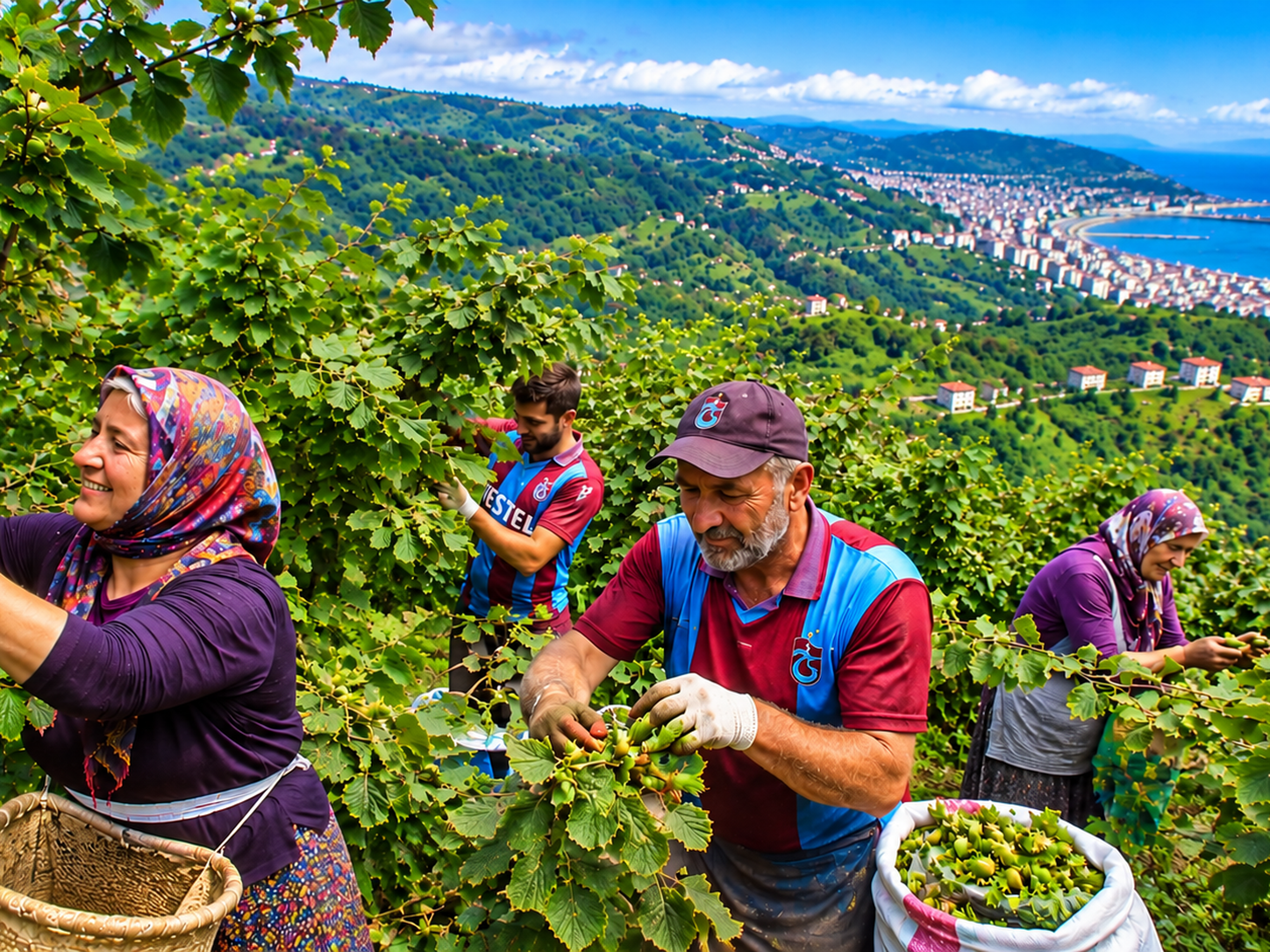
Alongside tea, hazelnut cultivation is one of the most important agricultural traditions of the Black Sea Region. Türkiye is the world’s largest hazelnut producer, and the Black Sea coast is at the centre of this internationally significant industry. Hazelnut orchards are particularly widespread in Ordu, Giresun and parts of Trabzon. In these areas, hazelnut cultivation has played an important role in shaping rural life and livelihoods for generations.
The production process includes stages such as seasonal harvesting, drying, sorting and preparing products for domestic and international markets. Hazelnuts are closely connected not only to local food culture but also to the global food industry, including chocolate and confectionery production.
By introducing the region’s agricultural identity, the project aims to help visitors understand how local products connect the Eastern Black Sea with international markets and everyday life in different parts of the world.
LOCAL LIFE, FOOD AND TRADITIONS
Beyond the Landscapes
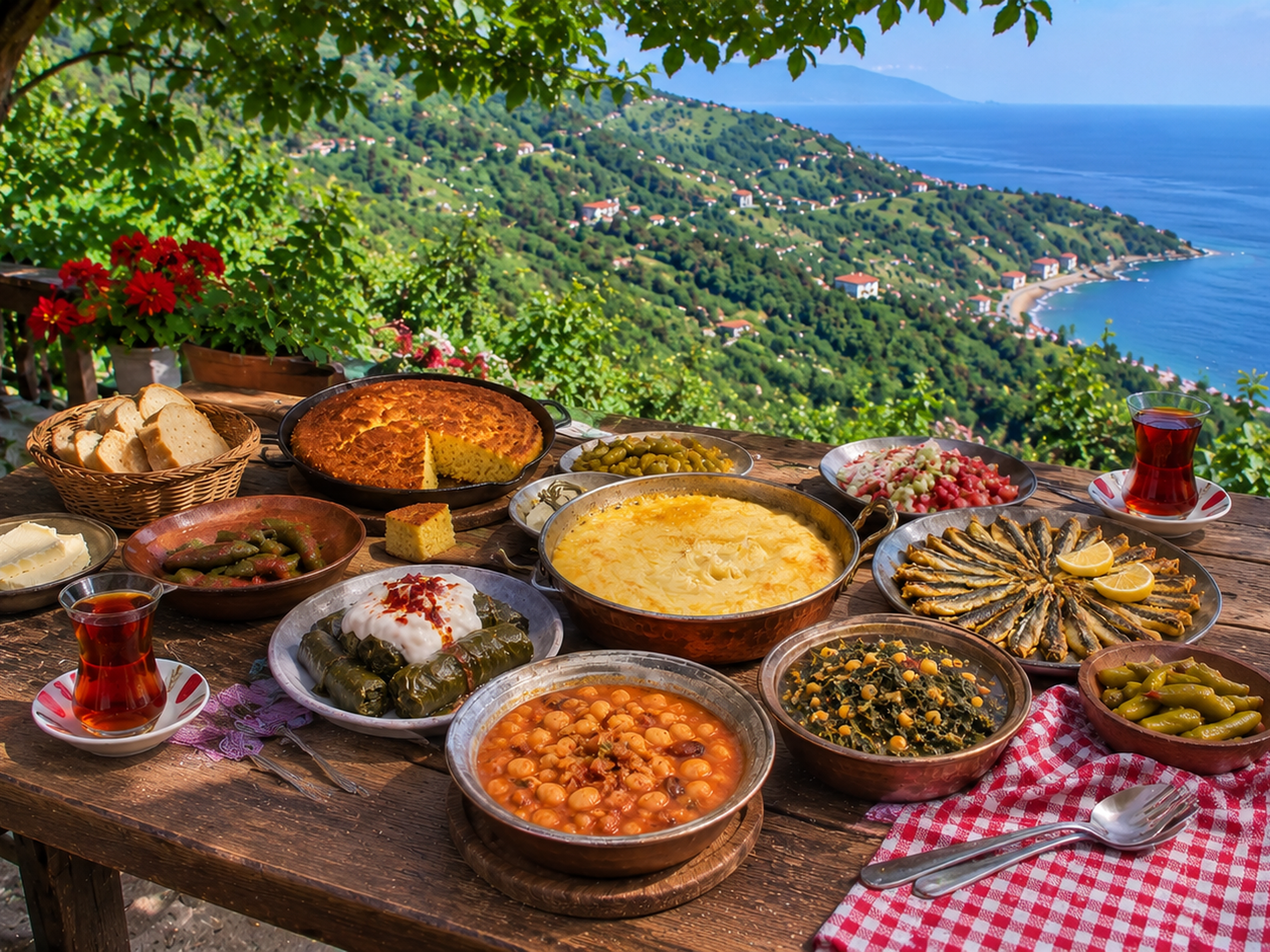
The identity of the Eastern Black Sea is also reflected in its villages, markets, traditional houses, local cuisine and community gatherings. The region’s cuisine reflects its geography and agricultural traditions. Dishes and ingredients associated with corn, dairy products, local vegetables, fish, tea and hazelnuts are important parts of this cuisine.
From traditional highland settlements to coastal towns, local ways of life have developed in close connection with the surrounding natural environment. Music, dance, handicrafts and family traditions contribute to the cultural identity of different communities. Our project aims to encourage visitors to discover these living traditions and understand the region not simply as a place of beautiful landscapes, but as a living environment shaped by its people.
DISCOVERING A DIFFERENT SIDE OF TÜRKİYE
The Eastern Black Sea Discovery Project brings together the elements that make the region special: natural beauty, deep-rooted history, cultural diversity, agricultural heritage and local life.
Our objective is to introduce the Eastern Black Sea to international audiences who primarily know Türkiye through its well-established holiday destinations. By increasing awareness of and interest in the region, we aim to develop new connections between potential visitors and the Eastern Black Sea.
Carried out as part of Bosph Project Management’s international project development and coordination activities, this initiative seeks to increase the region’s visibility and encourage the creation of meaningful opportunities for discovery.
The Eastern Black Sea is not simply a place to see. It is a region to understand, experience and remember.

GET IN TOUCH
Let’s Discover the Eastern Black Sea Together
Are you planning an international discovery experience?
Bosph Project Management creates opportunities to explore the Eastern Black Sea through coordinated regional experiences tailored to your interests and expectations.
Contact us to explore what we can develop together.
Contact
info@bosphproject.com